
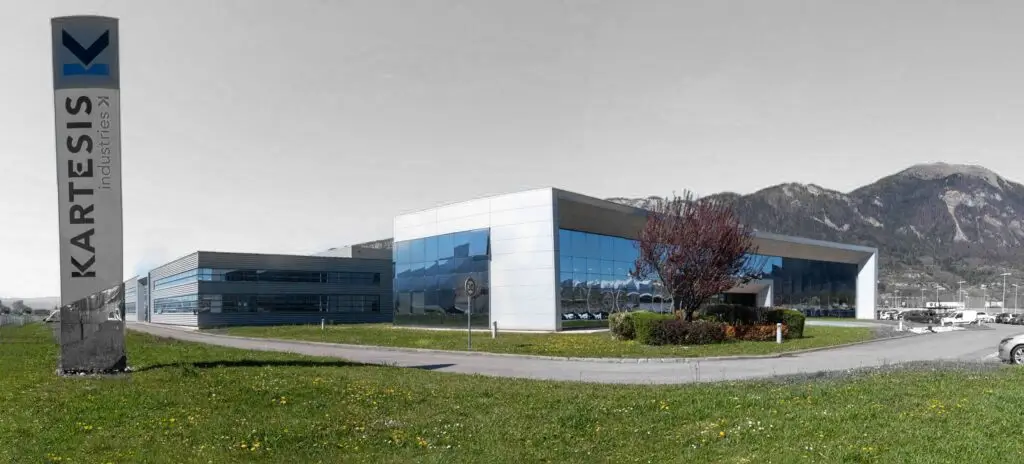
Kartesis Industries: Ipar 4.0 termelési stratégia a CLOOMA megoldással a szerszámgépek automatizált vezérléséhez.
Technikai és szervezeti előnyök:
- Akár 95% csökkenés a beállítási időben,
- 2% alatti selejtezési arány,
- és az új piacokra szánt összetettebb alkatrészek gyártásának képessége.
Történelem
A 2014-ben alapított Kartesis Industries, amelynek székhelye a franciaországi Arve-völgyben található Bonneville-ben található, több családi vállalkozás egyesüléséből jött létre. A csoport a rúdforgácsolási technológiákat műanyag fröccsöntéssel, túlformázással és összeszereléssel kombinálja, hogy ügyfeleivel együtt kész- vagy félkész termékeket állítson elő vagy fejlesszen ki. A történelmileg Tier 2 autóipari alvállalkozóként működő csoport világszerte terjeszkedett, hogy ügyfeleihez közel termelhessen. A csoport $70 millió eurós bevételt termel, és 550 embert foglalkoztat, ebből 250-et Franciaországban.
A belső égésű motorok 2035-re bejelentett megszűnésével, valamint a más ágazatokban való diverzifikáció érdekében a Kartesis Industries a minőségre - a hibamentes célkitűzéssel - és az innovációra összpontosít. 2018 óta a Kartesis Industries második generációját képviselő Thierry Callendrier vezérigazgató vezetésével a vállalatcsoport a termelésnek szentelt Ipar 4.0 stratégiát hajtott végre. A CLOOMA megoldást választotta a termelési erőforrások automatikus vezérlésének lehetővé tétele érdekében.
A Kartesis Csoport Ipar 4.0 stratégiája két pillérre épül. Az első az adatkezelés (ERP, MES és SGED szoftverek), beleértve azok megszerzését és vizualizálását. A második az alaptevékenység, nevezetesen a gyártás modernizálása a rúdforgácsolás és a precíziós megmunkálás révén. E tevékenység részeként a Kartesis közepes és nagy sorozatban gyárt mikronos szintű precíziós alkatrészeket rozsdamentes acélokból, acélokból és alumíniumból. A megmunkálást többorsós esztergákon végzik - a ciklusidő lerövidítése érdekében 6-8 rúd megmunkálása történik egyszerre -, valamint egyorsós esztergákon a kisebb szériák és prototípusok esetében.
Annak érdekében, hogy versenyképes maradjon a rúdforgácsolási ágazatban, a Kartesis 2018-ban úgy döntött, hogy ambiciózus gyártási digitalizációs programot indít.
Alexis Vulliez, akit még ugyanabban az évben felvettek az Ipar 4.0 projekt vezetésére, elmagyarázza, hogy a projekt egyik kulcsfontosságú eleme a termelés automatizálása volt, hogy zárt rendszerben működjön:
"Mint mindenki tudja, egyre nehezebb szakképzett munkaerőt találni, és két-három éven belül sok rúdforgató szakember nyugdíjba megy. Meg kellett találnunk a módját annak, hogy új operátorokat integráljunk anélkül, hogy elveszítenénk a know-how-t."
A CLOOMA szoftverre azért esett a választás, mert lehetővé teszi a termelés valós idejű nyomon követését és a minőség hagyományos vezérlőkártyákon keresztül történő megjelenítését.
De mindenekelőtt a CLOOMA megoldással a Kartesis zárt hurokban tudta vezérelni gépeit. Ez azt jelenti, hogy a kezelőnek csak a legyártott alkatrészeket kell megmérnie, míg a szoftver kiszámítja a korrekciókat, és közvetlenül a gépnek küldi azokat.
A gép beállítása és a méretminőség teljesen automatizált, és többé nem függ a kezelőtől.
"Amióta a CLOOMA-t használjuk" - kommentálja Alexis Vulliez - "a beállítási idő körülbelül 90 %-kal csökkent a 95%-re. Míg korábban 40 percig tartott egy alkatrész beállítása, ma már minden automatikusan, kevesebb mint öt perc alatt van beállítva. A korrekciókat, amelyeket hagyományosan kézzel adtak meg, most automatikusan integráljuk a CLOOMA segítségével. A kör bezárult. Végeredményben mindössze öt percbe telik, mire egy alkatrész a tűréshatáron belülre kerül. A CLOOMA csökkentette a változékonyságot, és a selejtarányunkat 2% alá csökkentette."
A gyártóműhely átalakítása
2018 óta jelentős előrelépés történt.
A gépek zárt hurokban történő korrekciójára alkalmas szoftver integrálása elindította a műhely átalakulását.
A CLOOMA segítségével a beállítási műveletek minimálisak - a felhasználók mostantól elsősorban az ellenőrzési feladatokért felelősek, és több időt szentelhetnek az alapvető megmunkálási tevékenységeiknek, a gép karbantartására és karbantartására összpontosítva.
Elmúltak azok az idők, amikor egy képzett beállítót teljes munkaidőben egy kis gépcsoporthoz rendeltek.
Ma a szervezet az alkatrészek mérésével és a napi termelési műveletek irányításával az operátorokat bízza meg.
A szakképzett beállító mostantól csak akkor avatkozik be, ha a gépeken mechanikai munkára van szükség, és ha a beállítások túlmutatnak a digitális korrekciók elküldésén.
Mindenki készségeit ott használjuk, ahol a legnagyobb hozzáadott értéket képviselik.
Az Ipar 4.0 projekt tehát sokkal több, mint a gyártás digitalizálására szolgáló informatikai eszközök gyűjteménye - valódi ipari víziót képvisel arról, hogy milyennek kell lennie a holnap gyártásának.
Annak érdekében, hogy megőrizze vezető pozícióját az ágazatban, a Kartesis Industries sikeresen integrálta az új technológiákat a termelés szolgálatába.
A projekt előnyei nem csak technikai jellegűek (rövidebb beállítási idő, alacsonyabb selejtarány), hanem szervezési jellegűek is.
Például a gépek elrendezését úgy alakították át, hogy önkiszolgáló hozzáférést biztosítsanak a szerszámgépek közelében található Zeiss Duramax 3D mérőgéphez.
Ez az új szervezet nagyobb önállóságot biztosít a kezelőknek, csökkenti a beállító munkaterhelését, és növeli az általános termelési teljesítményt.
A CLOOMA használatának egyszerűsége: két hét egy új operátor betanítására
A CLOOMA használata előtt két hónapig tartott egy új alkalmazott beilleszkedése, mivel meg kellett tanulnia, hogyan kell részletesen elolvasni a műszaki rajzokat, lefordítani azokat gyártási sorrendre, azonosítani a méreteket az alkatrészen, ellenőrizni az összes méretet, és így tovább.
A CLOOMA segítségével és a belső mentorálásnak köszönhetően a beilleszkedés mindössze két hetet vesz igénybe - és mindössze két-három napot egy tapasztalt esztergályos szakember számára -, mivel minden szükséges információ integrálva van a szoftverbe, és mindenki számára elérhető.
A Kartesis Industries számára a CLOOMA megoldás tökéletesen illeszkedik a piachoz, és megfelel az igényeiknek a szabványok, a teljesítmény és a szervezettség tekintetében.
A CLOOMA-val gyorsan kialakult egy win-win kapcsolat.
A Kartesis Industries például új CLOOMA-funkciók bétaverzióit teszteli, míg a CLOOMA új típusú gépek integrálására fejleszt megoldásokat.
Alexis Vulliez nagyra értékeli az Ellistattal való szoros együttműködést - a csapattal való könnyű és rendszeres kapcsolattartást, valamint a fejlesztőkkel való közvetlen eszmecserét a valós felhasználási esetekről.
Ami a képzést illeti, a CLOOMA e-learning ajánlat a CLOOMA-nál minden lényeges témát lefed, és jelentős időt takarít meg.
Jelenleg a CLOOMA-t a Kartesis Industries valamennyi rúd esztergálási műveleténél használják, és jelenleg a másodlagos megmunkálás ("reprise") ágazatban is bevezetés alatt áll.
A nemzetközi telepítés Szlovákiában és az Egyesült Államokban már befejeződött, és hamarosan Mexikóra is kiterjed.
Összesen 200 gépet érint, és a Franciaországban telepített 110 szerszámgép egyharmada már CLOOMA megoldással működik.
A cél az 100% elérése.
A Kartesis Industries emellett mostanra olyan diverzifikáltabb piacokra is terjeszkedett, mint az e-mobilitáshoz (e-kerékpár és elektromos járműmotorok) és csatlakozók gyártása.
A csoport a nehézgépjárművek és berendezések ágazatában, valamint más csúcstechnológiai iparágakban, például a repülőgépiparban és az energiaiparban is aktív.
Alexis Vulliez megállapítja:
"Nagyon büszkék vagyunk arra, ahogyan a műhelyünk fejlődött a CLOOMA szoftveres megoldásnak köszönhetően.Teljesen megváltoztatta a gépeink vezérlésének módját.
Képesek voltunk a változékonyság kezelésének új, dinamikusabb és hatékonyabb kultúráját kialakítani, amely kézzelfogható eredményeket hozott a minőség és a termelékenység terén. Gyártócsapataink nagyobb kényelmet élveznek a munka során, és most már könnyedén tudunk bonyolultabb alkatrészeket kezelni. A CLOOMA valódi versenyelőnyt biztosít számunkra. A megoldás lehetővé tette számunkra, hogy új típusú alkatrészeket gyártsunk, és új piacokon terjeszkedjünk."